Hochfellner Where Art Meets Story — From Stage to Screen

Hochfellner

Where Art Meets Story — From Stage to Screen

Latest Articles

Singing the Silence: How Opera's Best-Kept Secret Is Reshaping the Way American Performers Command a Room
Culture & Performance

Singing the Silence: How Opera's Best-Kept Secret Is Reshaping the Way American Performers Command a Room

Classical opera training — especially the kind rooted in Central European conservatories — treats silence and breath as living instruments, not empty space. Now, Broadway coaches, indie film directors, and spoken word artists across the US are quietly borrowing from that tradition. The result might be the most powerful performance shift happening right now that nobody's talking about.
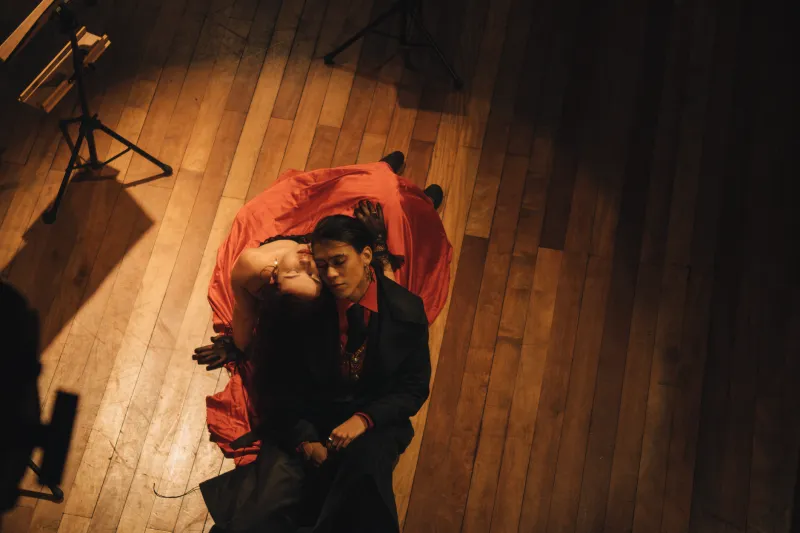
Three Minutes That Last a Lifetime: Why Your Audition Monologue Is Actually a Self-Portrait
Culture & Performance

Three Minutes That Last a Lifetime: Why Your Audition Monologue Is Actually a Self-Portrait

The audition monologue is supposed to be a tool. But for the performers who get it right, it becomes something far more personal — a mirror held up to everything they are. We dig into why European-trained actors treat monologue selection like a philosophical reckoning, and why that approach might be the thing American performers are missing most.

Lost in Translation, Found in Truth: What Happens When a Performer Steps Onstage in a Language That Isn't Home
Culture & Performance

Lost in Translation, Found in Truth: What Happens When a Performer Steps Onstage in a Language That Isn't Home

There's something that happens to a performer the moment they surrender the safety net of their mother tongue. For artists trained in German-speaking Europe who bring their craft to American stages, that surrender isn't a weakness — it turns out to be the whole point.

Raised by Altitude: Why Performers from the Alps Carry Something American Stages Can't Manufacture
Culture & Performance

Raised by Altitude: Why Performers from the Alps Carry Something American Stages Can't Manufacture

There's a particular kind of stillness that casting directors in New York and Los Angeles have started chasing — a quality they struggle to name but immediately recognize. More often than not, it traces back to a childhood spent somewhere between a ridgeline and a valley floor in Central Europe.

The Loudest Thing in the Room Is the Person Who Isn't Moving
Culture & Performance

The Loudest Thing in the Room Is the Person Who Isn't Moving

In a culture that rewards bigger, louder, and faster, performers trained in the German-speaking theater tradition are doing something quietly radical — they're stopping. And American audiences can't look away. Here's what the art of deliberate stillness is teaching US stages about the real nature of dramatic power.

Dressed to Become: The Quiet Power of Costume in Shaping a Performer's Soul
Culture & Performance

Dressed to Become: The Quiet Power of Costume in Shaping a Performer's Soul

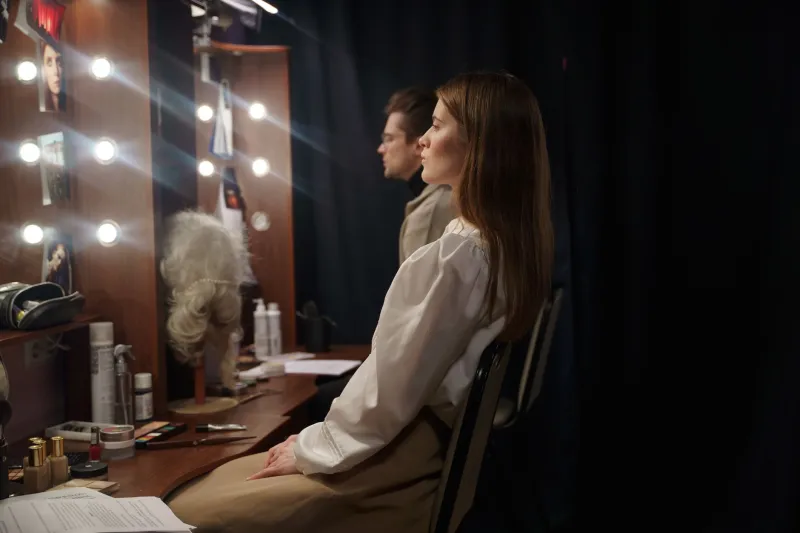
Long before an actor speaks their first line, a costume is already doing the talking. From the opera houses of Vienna to the ballet stages of Munich, the fitting room has always been treated as sacred rehearsal space — and it's time American audiences understood why.

After the Curtain Falls: How the Encore Became Performance's Most Forgotten Truth
Culture & Performance

After the Curtain Falls: How the Encore Became Performance's Most Forgotten Truth

The encore was never supposed to be a formality. In European concert halls and opera houses, it remains a living conversation between performer and crowd — raw, unscripted, and deeply honest. But somewhere along the way, American entertainment traded that vulnerability for a choreographed exit.

From the Wings to the Spotlight: The Understudies Who Rewrote Their Own Stories
Spotlight & Lists

From the Wings to the Spotlight: The Understudies Who Rewrote Their Own Stories

Some of the most celebrated careers in theater history didn't begin with a grand entrance — they began with a phone call, a hushed conversation backstage, and a performer who was simply, quietly ready. This is the story of the understudies who stepped in and never stepped back.

Two Days, No Monologue: What European Audition Culture Gets Right That America Is Missing
Culture & Performance

Two Days, No Monologue: What European Audition Culture Gets Right That America Is Missing

In most American audition rooms, you get 90 seconds, a cold side, and a polite nod toward the door. Across the Atlantic, the process looks almost nothing like that — and the performers coming out of it show it. Here's what the European model reveals about how we find talent, and how much we might be leaving on the table.

Always Ready, Rarely Called: The Hidden Artistry of Theater's Most Overlooked Performers
Culture & Performance

Always Ready, Rarely Called: The Hidden Artistry of Theater's Most Overlooked Performers

They memorize every line, every cue, every breath of a role they may never perform in front of a paying audience. Understudies are the invisible backbone of professional theater — and the discipline required to do that job well is unlike anything else in the performing arts.

Before Anyone Says a Word: The European Rehearsal Secrets That Change Everything
Culture & Performance

Before Anyone Says a Word: The European Rehearsal Secrets That Change Everything

In German, Austrian, and Swiss theater traditions, the body speaks long before the script does. American directors lean hard on table reads and text analysis — but what if the scene lives somewhere else entirely? Here's what happens in European rehearsal rooms before a single line gets delivered.

What Happens Before the First Line: The Inner Work European Performers Do That Most Americans Never Learn
Culture & Performance

What Happens Before the First Line: The Inner Work European Performers Do That Most Americans Never Learn

European conservatories — especially in Austria, Germany, and Switzerland — have spent decades treating the performer's mind as seriously as their body. As American actors and coaches start looking outward for new frameworks, the psychological traditions of German-speaking theater training are quietly finding a new audience.

Built to Last: What European Theater Conservatories Know About Making a 40-Year Career
Culture & Performance

Built to Last: What European Theater Conservatories Know About Making a 40-Year Career

American entertainment loves a breakout moment. European theater training loves a Tuesday morning rehearsal in a cold room with no audience and no applause. Turns out, the second one produces careers that actually last.

Why the Best Villains Are Trained to Love Them: What European Acting Schools Know That Hollywood Is Just Figuring Out
Culture & Performance

Why the Best Villains Are Trained to Love Them: What European Acting Schools Know That Hollywood Is Just Figuring Out

Classical German and Austrian theater traditions have long pushed actors to inhabit morally complex characters without flinching — or judging. Now, American film and TV are catching up, and casting directors are actively hunting for performers who've done that work.

There's a German Word for That Feeling You Get at the End of Act Two
Culture & Performance

There's a German Word for That Feeling You Get at the End of Act Two

There's a word in German that doesn't translate cleanly into English, and honestly, that might be the whole point. 'Weltschmerz' — world-pain, world-weariness, the ache of knowing how beautiful things could be and how far short reality falls — is quietly running the emotional engine of Broadway's greatest hits. We just never had a name for it.

Your Accent Is Your Signature: Why American Audiences Are Finally Listening
Culture & Performance

Your Accent Is Your Signature: Why American Audiences Are Finally Listening

For decades, the unspoken rule in American entertainment was simple: sand down the edges, smooth out the vowels, and disappear into the dialect. But a new generation of performers is flipping that script entirely — and the results are electric.

One Person, One Stage, No Excuses: How the Solo Show Became Theater's Most Honest Form
Culture & Performance

One Person, One Stage, No Excuses: How the Solo Show Became Theater's Most Honest Form

The one-person show has quietly staged a comeback that no one saw coming — and it's saying something loud about what audiences actually want. Strip away the ensemble, the set changes, the choreography, and what you're left with is just a human being and their story. Turns out, that might be enough.

Pause, Breathe, Feel: Why the Theater Intermission Deserves a Standing Ovation of Its Own
Opinion & Essays

Pause, Breathe, Feel: Why the Theater Intermission Deserves a Standing Ovation of Its Own

We live in an age of skip-the-credits, autoplay-the-next-episode impatience — and American theater is quietly absorbing that pressure. But the intermission was never wasted time. It was, and still can be, the moment a story truly sinks in.

When the Bow Becomes the Story: What the Curtain Call Tells Us About Why Live Theater Still Matters
Culture & Performance

When the Bow Becomes the Story: What the Curtain Call Tells Us About Why Live Theater Still Matters

It lasts maybe ninety seconds. Sometimes less. But for performers and audiences alike, the curtain call carries a weight that no streaming queue, no pause button, no algorithm could ever replicate. We went looking for what actually happens in that charged, unrepeatable moment — and found something close to a miracle.

Something Happened When the Lights Came Up: The Quiet Rituals Live Theater Is Losing — and Why We Need Them Back
Opinion & Essays

Something Happened When the Lights Came Up: The Quiet Rituals Live Theater Is Losing — and Why We Need Them Back

There's a moment at the end of a truly great performance when nobody quite knows what to do with themselves — and that's exactly the point. American theater culture has quietly shed the ceremonial bones that once made live performance feel sacred. Getting them back might be easier than we think.