Why the Best Villains Are Trained to Love Them: What European Acting Schools Know That Hollywood Is Just Figuring Out
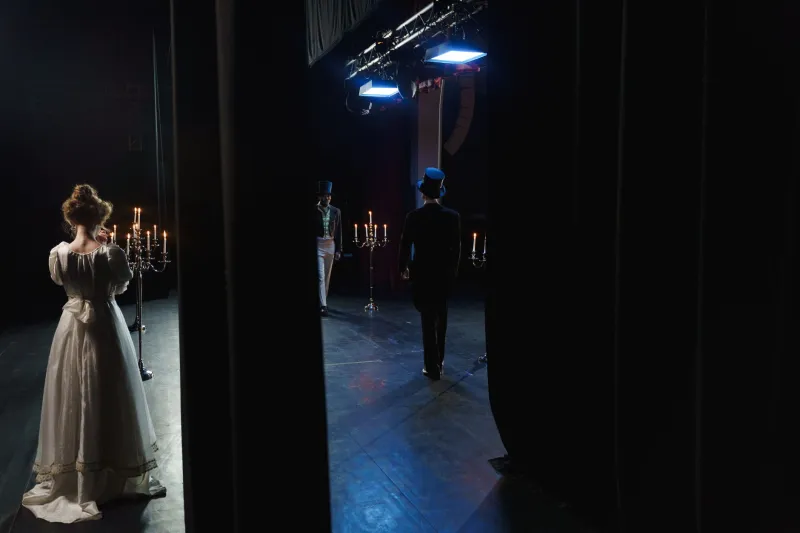
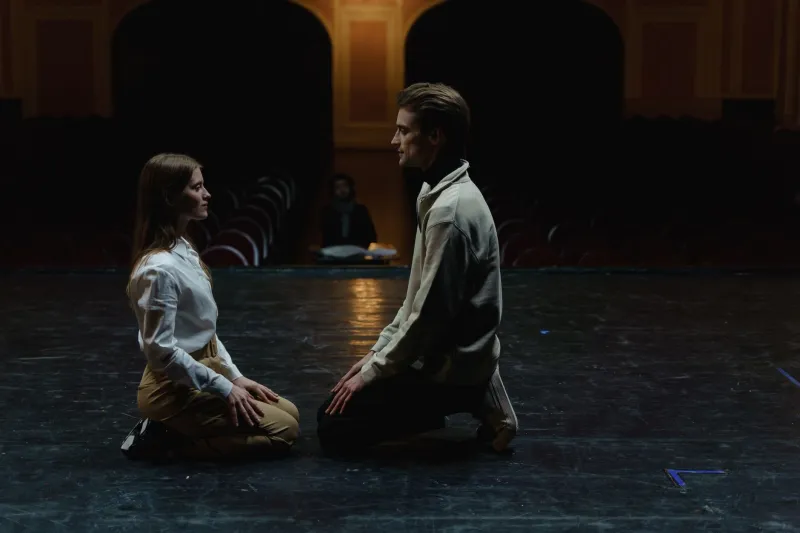
There's a moment in rehearsal — any actor who's been through it will recognize it immediately — when a director leans forward and says, quietly but firmly: Stop apologizing for him. It's not a criticism exactly. It's a diagnosis. And in many American acting rooms, that apology is practically baked into the training itself.
Not so in the classical European tradition. Particularly in German and Austrian theater schools, the approach to morally complex characters is almost the opposite. You don't distance yourself from the darkness. You move toward it — carefully, curiously, without judgment. And according to a growing number of performers and casting directors on both sides of the Atlantic, that difference is starting to matter enormously in American film and television.
The Tradition Behind the Technique
German-speaking theater has a long, rich history of staging the uncomfortable. From Brecht's anti-heroes to the psychological excavations of Thomas Bernhard, the stage tradition in Germany and Austria has never shied away from characters who do genuinely terrible things. But more than just the repertoire, it's the pedagogy — the way acting is actually taught — that sets this tradition apart.
At conservatories like the Ernst Busch Academy in Berlin or the Max Reinhardt Seminar in Vienna, students are trained early to resist what instructors sometimes call "moral editorializing." The idea is straightforward: the moment an actor signals to the audience that they personally disapprove of what their character is doing, the performance collapses into commentary. And commentary, however well-intentioned, is not drama.
Instead, students are pushed to find the internal logic of even the most reprehensible characters — the wound underneath the cruelty, the fear beneath the manipulation, the strange, coherent worldview that makes a villain feel, to themselves, entirely justified. It's demanding, often uncomfortable work. And it produces something rare: actors who can hold complexity without collapsing it.
What American Screens Are Starting to Demand
For a long time, Hollywood's approach to antagonists was fairly transactional. The villain existed to drive the plot and give the hero something to overcome. Character depth was optional. But the prestige TV era changed the equation. Shows built around morally fractured protagonists — think Breaking Bad, Succession, Ozark — demanded performers capable of sustaining moral ambiguity across dozens of hours of screen time without tipping into caricature.
Casting directors noticed the gap. And some of them started looking overseas to fill it.
"There's a quality you get from classical European training that's hard to manufacture," says one New York-based casting professional who works extensively with streaming productions. "It's a kind of stillness with darkness. These actors aren't afraid of the character's worst impulses. They've already made peace with them."
That peace-making process is exactly what the European tradition emphasizes. When you've spent months in a Vienna rehearsal room playing a character who manipulates, deceives, or destroys — and your director's only note is to go deeper, not to soften — you develop a different relationship with the dark end of the human spectrum. Not a comfortable one, necessarily. But an honest one.
Performers Who Made the Leap
Several actors with Central European training have pointed directly to this background when discussing breakthrough roles in American productions. The through-line in their accounts is consistent: the ability to commit fully to a character's interiority, regardless of how that character behaves externally, was something they'd rehearsed for years before a US camera ever rolled.
One performer, who trained in Munich before relocating to Los Angeles, described the shift in approach this way: "In Germany, I played a character who did genuinely horrifying things. My director never once asked me to show the audience that I knew it was wrong. He asked me to show why, from inside this person's life, it felt necessary. That's a completely different acting problem — and a much harder one."
That harder problem, it turns out, is precisely what contemporary American storytelling increasingly requires. The antiheroes dominating prestige drama aren't simply bad people in service of a plot. They're fully realized human beings whose capacity for harm is inseparable from their capacity for love, loyalty, or grief. Playing them well means going somewhere most actors are trained to avoid.
The Compassion Paradox
Here's the thing that surprises people who haven't spent time in this tradition: playing a villain without judgment doesn't make you colder. It tends to make you more empathetic.
When you commit to understanding a character who does harm — when you trace the exact chain of experience, fear, or belief that leads them to the choices they make — you end up with a profound, sometimes unsettling awareness of how ordinary that path can look from the inside. The monster, examined closely, is rarely monstrous in the way we imagined. They're recognizable. That recognition is what makes great drama land.
And it has an effect on audiences, too. When a villain is played with full humanity rather than telegraphed evil, something shifts in the room. People stop watching to confirm their own moral superiority and start watching to understand. That's a harder, more valuable experience — and it's one that European stage training has been producing for decades.
For American actors, embracing that tradition isn't about abandoning what they know. It's about adding a tool that's been missing from the kit: the willingness to love the character you're playing, even when — especially when — they're at their worst.
What This Means for American Theater and Film
The influence is already visible. Directors at regional theaters across the US are increasingly programming work that demands this kind of moral complexity, and they're actively recruiting performers who can deliver it. Conservatory programs in New York and Chicago have begun incorporating elements of German dramaturgical training into their curricula. And on screen, the appetite for nuanced antagonists shows no sign of slowing.
The lesson from the European tradition isn't that morality doesn't matter in storytelling. It's that morality is most powerfully explored when the storyteller resists imposing it prematurely. The villain who knows they're a villain is almost never interesting. The one who believes, completely, that they're right — that's where the drama lives.
And if you want to play that character well, it helps to have been trained somewhere that never asked you to apologize for them in the first place.