Always Ready, Rarely Called: The Hidden Artistry of Theater's Most Overlooked Performers
Always Ready, Rarely Called: The Hidden Artistry of Theater's Most Overlooked Performers
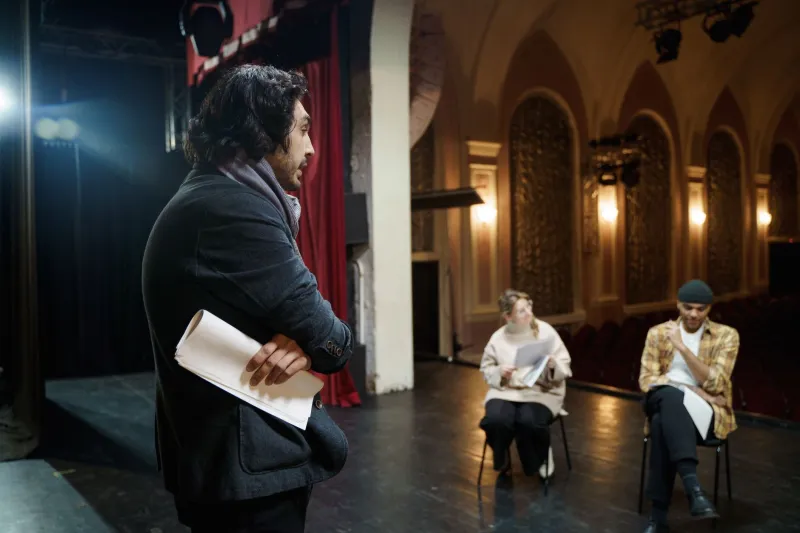
Somewhere backstage at almost every major production running tonight — on Broadway, in regional houses, in touring companies crisscrossing the country — there is a performer doing something extraordinary. They are not under the lights. Their name might not even be in the program in a way most audience members notice. But they know every single line, every pause, every physical impulse of the role being performed onstage without them.
They are understudies. And what they do is, quietly, one of the most demanding jobs in live performance.
The Job Nobody Fully Explains
When people think about understudies, they tend to imagine a dramatic last-minute swap — the star twists an ankle, the understudy gets the call, the crowd goes wild. That Hollywood version of events does happen. But it's maybe one percent of the actual experience.
The other ninety-nine percent is preparation without a guaranteed payoff. It's running lines alone in a dressing room while the principal cast takes the stage. It's attending every rehearsal not as a participant but as an observer, building a complete internal map of a role you may never get to inhabit publicly. It's staying physically and vocally warm on nights when you're listed as backup, knowing that readiness is the entire job whether or not you're ever asked to prove it.
That psychological reality — being fully prepared for something that might not happen — is where understudying gets genuinely hard. And it's where training makes all the difference.
What European Conservatories Teach About Waiting
In many American training programs, the emphasis falls heavily on performance itself: audition technique, on-camera work, finding your moment. That's not a criticism — it reflects the industry landscape performers are entering. But European conservatory traditions, particularly in German-speaking countries and the broader Central European theater culture, spend considerably more time on what happens before the performance moment arrives.
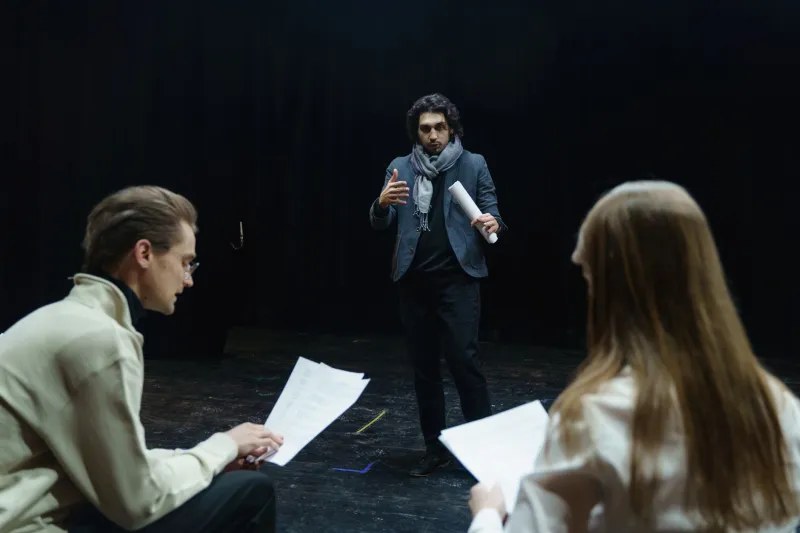
Students at institutions like the Max Reinhardt Seminar in Vienna or the Ernst Busch Academy in Berlin are trained to understand a role from the inside out before they ever step into a spotlight. There's a deep emphasis on dramaturgical awareness — knowing not just your character but the architecture of the entire play, the relationships between every scene, the logic that makes each moment inevitable. That kind of holistic understanding isn't just intellectually interesting. It's practically essential for understudy work.
Because here's what an understudy actually needs: they need to be able to step into a production at near-zero notice and serve the story, not just their own performance. That means understanding how their character functions within the whole — what the other actors are giving, how the blocking was built, where the emotional peaks land. A performer trained to think only about their own arc struggles with that. A performer trained to think about the entire dramatic structure adapts fast.
The Emotional Discipline Nobody Talks About
There's another layer to understudy work that rarely gets discussed openly, and it has nothing to do with technique. It has to do with ego management — specifically, the ability to do your absolute best work in service of a production while receiving almost none of the external validation that most performers need to sustain themselves.
You don't get the applause. You don't get the reviews. On nights when you do go on, it's often under chaotic circumstances — quick costume fittings, abbreviated run-throughs, audiences who may be visibly disappointed that the name they came to see isn't appearing. And then the next night, if the principal is back, you return to your position offstage.
Performers who last in this role — who do it well, repeatedly, over years — develop a kind of internal grounding that is genuinely rare. They find ways to measure their own readiness that don't depend on public confirmation. They build confidence through preparation rather than through applause. In many ways, that's a healthier relationship with performance than the one most of us are trained to have.
Career-wise, the understudy experience is often undervalued on a résumé but overvalued in the room. Directors who have worked with strong understudies know what the role demands. They know that the person who can hold a full production in their head, stay performance-ready without performing, and step in gracefully under pressure is exactly the kind of artist they want anchoring a company.
When the Call Finally Comes
Ask anyone who has gone on as an understudy and they will tell you the same thing: the preparation is everything. Not because it makes the night feel easy — it doesn't, and it shouldn't — but because it frees you. When you truly know the material, when you've walked through it hundreds of times in your head and in studio run-throughs, the anxiety shifts from will I remember to how will I feel. And that's when real performance happens.
There are understudies who have gone on for a single performance and been seen by a casting director who changed the trajectory of their career. There are understudies who have covered a role for a year, gone on twice, and still point to those two nights as the most complete performances of their lives. The preparation isn't wasted because the spotlight doesn't come. The preparation is the work.
Broadway has its legends here — the stories of swings and understudies who stepped in and stopped the show, who got standing ovations from audiences who'd never heard their names. But for every one of those stories, there are a hundred performers who did the same level of preparation and never got the call. And most of them will tell you they don't regret it.
What the Audience Never Sees
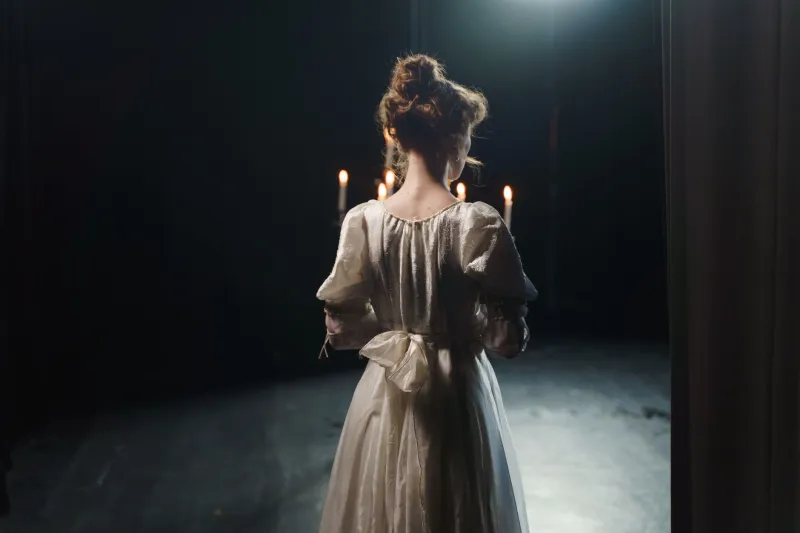
Next time you settle into your seat for a show, consider what's happening just out of view. Somewhere backstage, someone knows everything you're about to watch. They've earned that knowledge through months of invisible labor — the kind that doesn't generate Instagram posts or opening night parties. They're warm, they're ready, and they're holding the whole thing in place just by being there.
That's not a supporting role. That's a kind of artistry that most of us never fully see, and never quite appreciate the way we should.
The understudy's secret life isn't glamorous. But it might be the most honest version of what it means to be a working performer — showing up completely, every single night, whether or not the curtain ever rises for you.