Something Happened When the Lights Came Up: The Quiet Rituals Live Theater Is Losing — and Why We Need Them Back
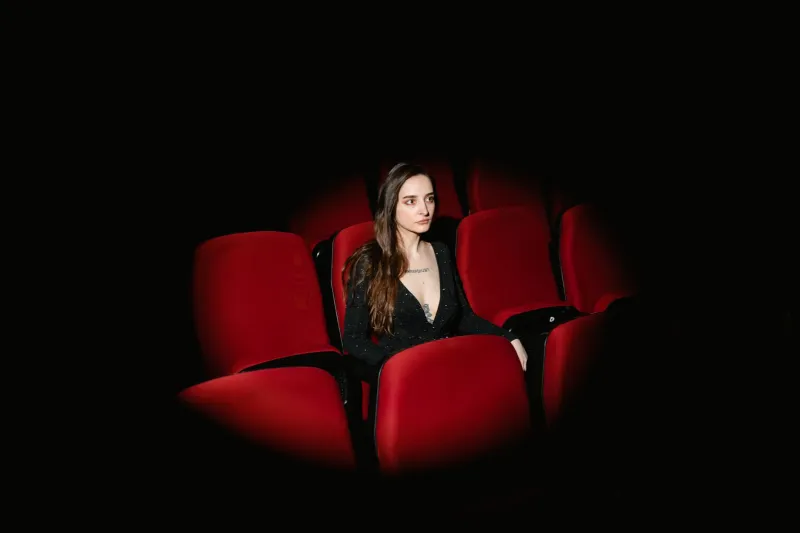
Let me paint you a picture. It's a Tuesday night in Vienna. A chamber opera has just ended — not a blockbuster, not a touring spectacle, just a small, precise, devastating piece of music theater in a mid-sized house. The final note fades. And then: nothing. The audience sits in near-total silence for what feels like a full ten seconds before the applause begins. Nobody checks their phone. Nobody shuffles toward the exit. They just... stay. Together. Inside the thing they all just experienced.
Now picture a Wednesday night in a regional theater somewhere in the American Midwest. A genuinely moving production closes its final act. Before the last actor has fully left the stage, someone in the third row is already zipping up their jacket. By the time the curtain call starts, a third of the house is thinking about parking. The standing ovation — when it comes — arrives fast and leaves faster. Meaningful? Sure. But communal? Barely.
This isn't a complaint about American audiences. It's a question worth asking out loud: what happened to the rituals?
The Ceremony Nobody Noticed Disappearing
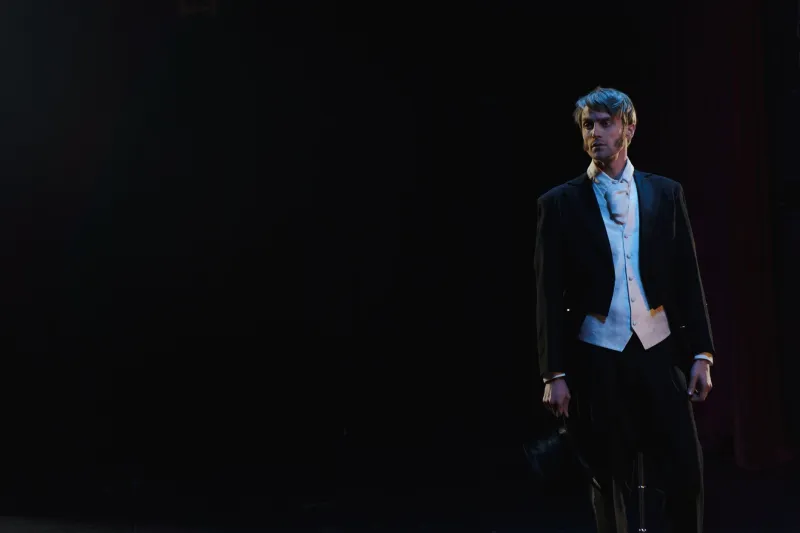
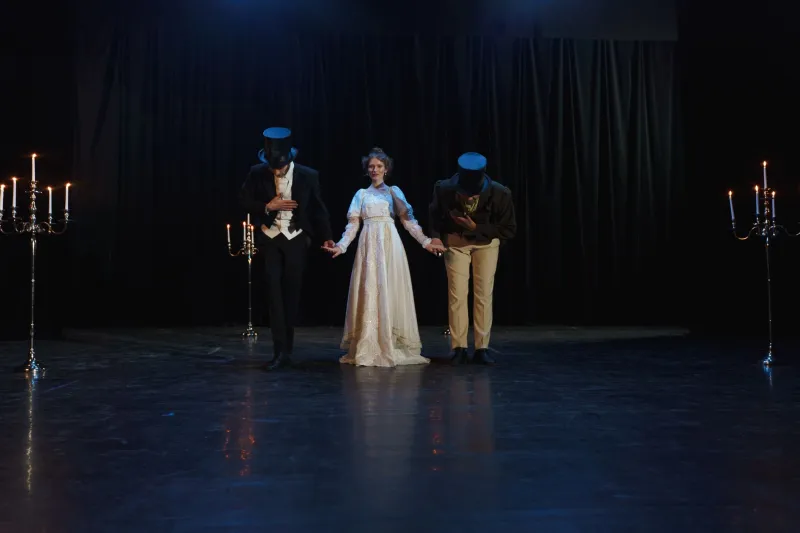
For most of theater's history, the experience didn't end when the story did. The curtain call wasn't just a logistical formality — it was a kind of punctuation, a shared exhale between performers and audience that acknowledged something real had just happened between them. In many European traditions, this moment is treated with genuine gravity. Actors return to the stage in a specific order. The silence before applause is respected. The audience participates not just by clapping, but by being present in a way that communicates we received this.
American theater, especially Broadway, used to have its own version of that. Old accounts of Golden Age productions describe audiences that lingered, that talked in hushed voices in the lobby, that treated the post-show ritual as part of the night itself. The experience had a shape — a beginning, a middle, and an end that actually felt like an end.
Streaming didn't kill that shape. But it definitely accelerated the erosion. When you can pause, rewind, skip, and consume a story in fragments across three separate evenings on your couch, your relationship to narrative completion changes. You stop expecting — or even wanting — a ceremonial close. The story just kind of... stops. And we've imported that expectation into the live theater space without fully realizing it.
What Broadway Gets Right (and Where It Loses the Thread)
To be fair, Broadway still does some things extraordinarily well. The pre-show ritual of a darkening house, the rustle of programs, the collective held breath before an orchestra starts — these are powerful. Productions like Hamilton, The Lehman Trilogy, and more recently Appropriate have demonstrated that American audiences are absolutely capable of deep, sustained emotional engagement. The hunger is there.
But even in the best Broadway houses, the post-show culture has become weirdly transactional. The standing ovation, once reserved for genuinely exceptional performances, has inflated into a near-automatic gesture. It now signals enthusiasm without quite communicating awe. When everything gets a standing O, the standing O stops meaning much. And the moment the curtain drops for the final time, the crowd disperses with a speed that would baffle theatergoers in London, Berlin, or Prague.
Regional theater tells a more complicated story. Companies like the Steppenwolf in Chicago, the Oregon Shakespeare Festival, or the Alley Theatre in Houston have built genuine communities around live performance — audiences who come back not just for the shows, but for the experience of being in that space together. These are places where the post-show conversation in the lobby actually happens. Where the ritual hasn't completely evaporated.
The difference, more often than not, comes down to intention. When a theater treats the full arc of the evening — arrival, performance, departure — as something worth designing, audiences respond.
Presence as the Thing We're Actually Craving
Here's what I think is really going on beneath all of this: American audiences aren't bored with theater. They're starving for presence. Real, unmediated, you-had-to-be-there presence. And that's precisely what live performance offers that no streaming platform ever can.
But presence isn't just about showing up. It's about being given permission — and a structure — to actually be there. Rituals do that work. They say: this moment is different from the rest of your day. Pay attention differently. Leave differently.
When a curtain call is treated as a genuine ceremony rather than a procedural wrap-up, it does something subtle but powerful. It extends the spell. It keeps the audience inside the emotional world of the piece for just a little longer, long enough for something to settle. Long enough to matter.
Some directors are quietly experimenting with this. There's been a small but notable trend in immersive and site-specific theater — think Sleep No More in New York, or various productions that have come through the Under the Radar festival — toward deliberately designed endings that refuse to let audiences off the hook quickly. You don't just walk out. You're guided out. Or you sit with the work. Or the performers find you in the space. The boundary between story and reality gets held open a little longer.
 Photo: Sleep No More, via www.clinicbarcelona.org
The response from audiences? Overwhelmingly, people describe these experiences as the ones that stuck with them. The ones they still talk about years later.
Small Changes, Real Stakes
None of this requires a revolution. It doesn't demand that every regional theater in America suddenly adopt Viennese opera etiquette. But it does suggest that even small, intentional choices about how a theater evening is framed — from the lobby design to the pacing of the curtain call to whether there's a moment of quiet built into the post-show experience — can meaningfully change what an audience takes home.
Some theaters are already doing this. Post-show discussions, when they're done well and not just as marketing exercises, create exactly the kind of communal processing that reinforces why live performance matters. Pre-show rituals — a brief spoken welcome, a request to silence phones that actually feels human rather than corporate — set a different tone for the evening before a single line of dialogue is spoken.
The goal isn't nostalgia. It's not about recreating some idealized past version of theatergoing. It's about recognizing that audiences in 2024 are arriving at live performance genuinely hungry for something they can't get anywhere else. They want to feel something together. They want the experience to have weight.
Giving them back the rituals — even just some of them — is one of the simplest and most powerful ways to honor that hunger.
The lights come up. What happens next is up to us.