Mountain Roots, Broadway Dreams: The Central European Artists Quietly Transforming American Entertainment
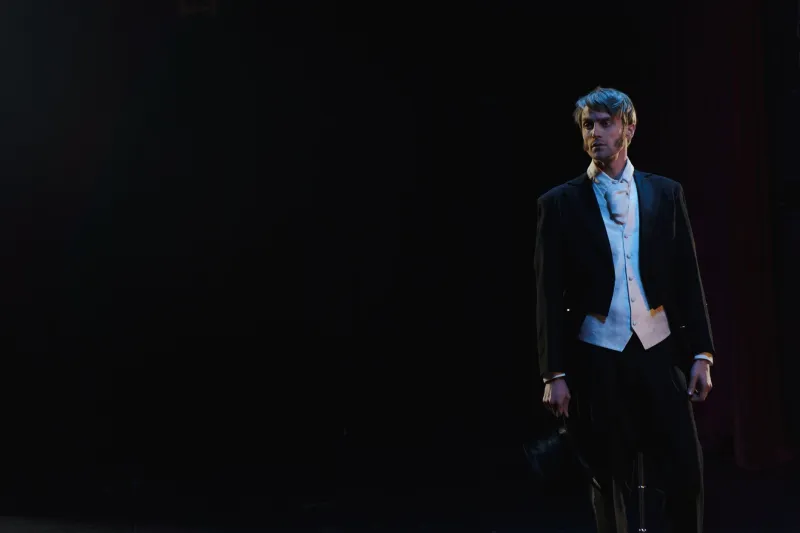
There's a moment in live theater — you probably know it — where an actor does something so specific, so quietly devastating, that the entire audience seems to hold its breath at once. Lately, more and more of those moments are being delivered by performers who grew up not in New York or Los Angeles, but in Vienna, Zurich, or Munich. And American entertainment is better for it.
The influx of German-speaking artists into US stages and screens isn't a sudden trend. It's the visible peak of something that's been building for decades. But in the last several years, the pipeline has accelerated — and the impact is genuinely hard to ignore.
A Tradition Built on Craft, Not Celebrity
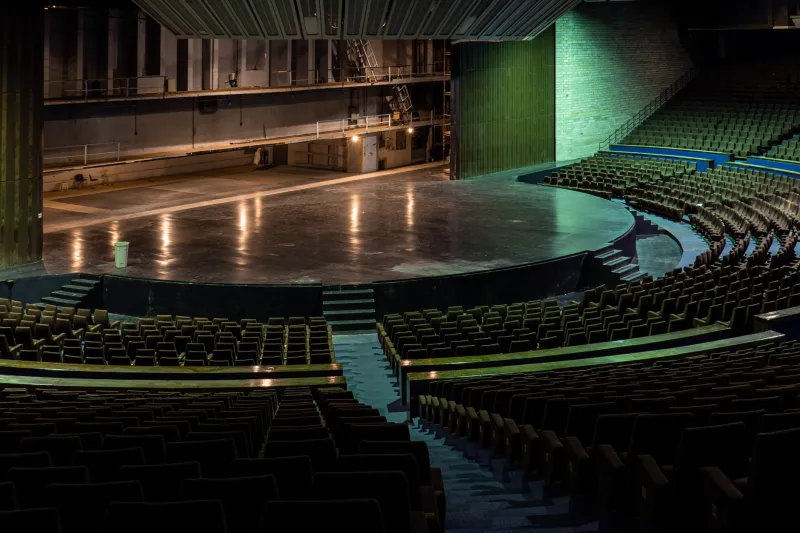
To understand why Central European performers bring something different to the table, you have to understand what they come from. The German-speaking world has one of the most rigorous theatrical traditions on earth. Vienna's Burgtheater, founded in 1741, is one of the oldest and most respected German-language stages in existence. Germany's state theater system produces thousands of professionally trained actors every year through conservatories that emphasize classical technique, physical discipline, and — crucially — the subordination of ego to story.
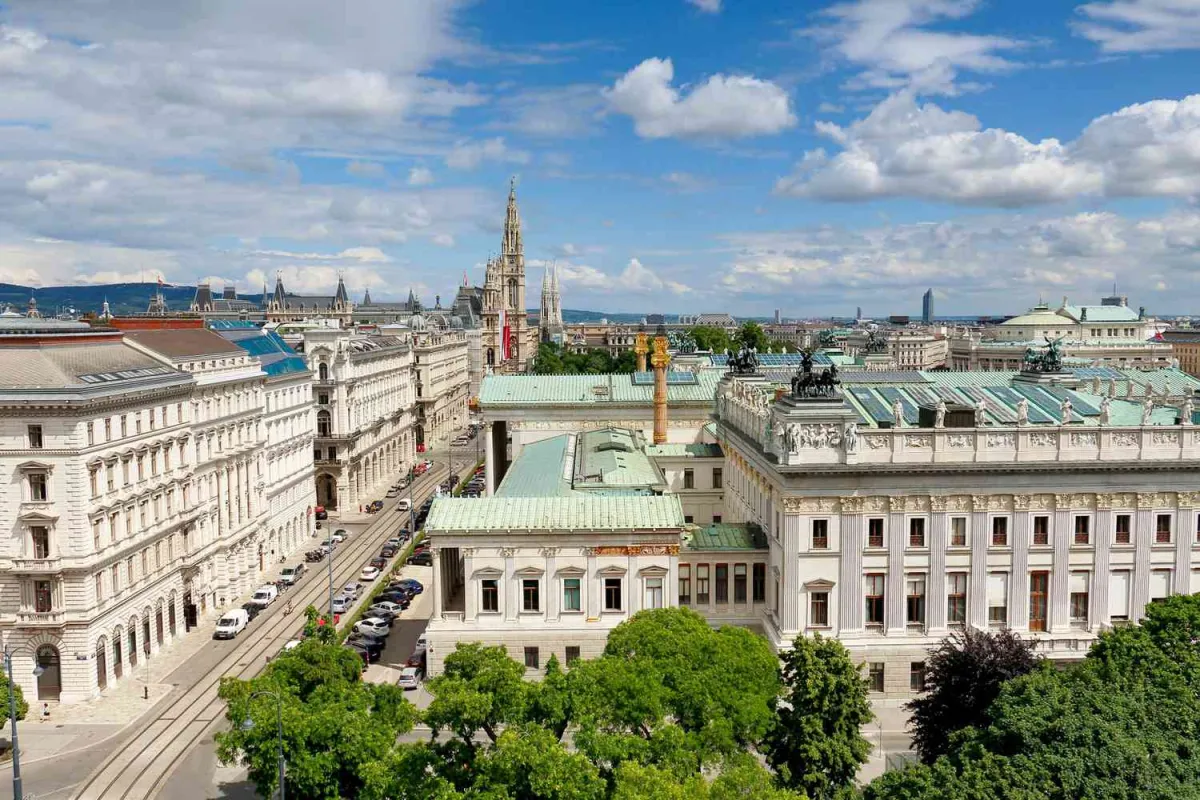 Photo: Vienna's Burgtheater, via www.travelandleisure.com
This isn't a culture that produces overnight Instagram sensations who happen to land a Netflix deal. It's a culture that produces artists who have spent years in repertory companies, performing Brecht on Tuesday and Chekhov on Friday, learning how to inhabit a character rather than simply perform one.
When those artists land in New York or Hollywood, they carry that training with them. And American casting directors have noticed.
The Performers Making Waves Right Now
Take Nina Hoss, the Berlin-born actress whose work in films like Barbara and Phoenix built her a devoted European following before American audiences truly discovered her in the Showtime series Succession — and later in Tár, where she starred alongside Cate Blanchett. Hoss doesn't perform loudly. She performs truthfully, which in the context of American prestige television feels almost radical.
 Photo: Nina Hoss, via i.pinimg.com
Or consider Daniel Brühl, who grew up between Germany and Spain and has carved out a genuinely unusual Hollywood career — moving from Inglourious Basterds to the Marvel universe to the critically acclaimed The Alienist — without ever losing the quality of interiority that defines his work. He doesn't play archetypes. He plays people.
 Photo: Daniel Brühl, via cdn.pixabay.com
On the Broadway side, Austrian director and theater-maker Markus Kupferblum has brought productions to US stages that blend Central European Expressionism with a theatrical playfulness that American audiences find both disorienting and exhilarating. It's the kind of work that makes you lean forward in your seat.
And then there's the newer generation — young Swiss and German performers who trained in Zurich or Berlin and are now showing up in off-Broadway productions, indie films, and streaming series, quietly raising the bar for everyone around them.
The Language Barrier: Real, But Overrated
The obvious challenge for any non-English-speaking performer arriving in the US is language. And yes, navigating English-language auditions, dialect coaching, and the specific rhythms of American speech is genuinely hard work. Several German-speaking performers have spoken candidly about the early years of feeling like they were acting in a second skin — technically correct, but not yet fully inhabited.
But here's the thing: the discipline required to master a second language for performance purposes is actually an extension of the same discipline these artists already bring. Learning to feel in English, not just speak it, is a craft problem. And Central European theatrical training is, at its core, about solving craft problems with patience and rigor.
Many performers also note that the language barrier has an unexpected upside: it forces you to communicate through physicality, through silence, through the body. The actors who come through that process often emerge with a presence that transcends dialogue entirely.
What American Audiences Are Responding To
Ask American theatergoers and film critics what they love about performers like Hoss or Brühl or the generation following them, and you'll hear the same words repeated: real, grounded, present. In an entertainment landscape increasingly dominated by spectacle and franchise, there's a genuine hunger for performance that feels like it comes from somewhere honest.
Central European theatrical tradition prioritizes exactly that. The Brechtian concept of Verfremdungseffekt — the deliberate distancing that makes an audience think rather than simply feel — has influenced generations of German-speaking performers to approach character with a kind of critical intelligence that goes beyond emotional availability. They're not just feeling it. They're understanding it.
That combination — emotional depth plus intellectual rigor — is a rare thing in any performance tradition. And American audiences, even those who couldn't name Brecht if you asked them, can feel the difference.
Where Art Meets Story, Across Every Border
At Hochfellner, we've always believed that the most powerful storytelling happens when cultural traditions collide and collaborate — when the discipline of one tradition meets the openness of another. The story of German-speaking performers in American entertainment is exactly that kind of collision.
It's not about one culture being better than another. It's about what happens when artists who have been shaped by centuries of theatrical craft bring that shaping to new stages, new screens, and new audiences who are ready to receive it.
The Alps and Broadway are a long way apart. But right now, the distance feels shorter than ever.