Stage to Screen and Back Again: 7 Performers Who Mastered Both Worlds — and the Lessons They Left Behind
Every performer faces a version of the same question eventually: What am I, really? A stage actor who does some film? A screen star who keeps one foot in theater? Someone who refuses to be boxed in at all?
The artists who've answered that question most powerfully aren't the ones who picked a lane. They're the ones who learned to drive in all of them. Here are seven performers whose careers illuminate what it actually takes to move between the stage and the screen — and what any artist can take from their example.
1. Meryl Streep — The Technician Who Never Stopped Learning
Before Meryl Streep became the most decorated film actress in history, she was a Yale Drama School graduate doing Shakespeare in the Park and building her chops in New York's off-Broadway world. What made her film transition so seamless wasn't luck — it was a technical precision so refined that the camera had nothing to catch her doing.
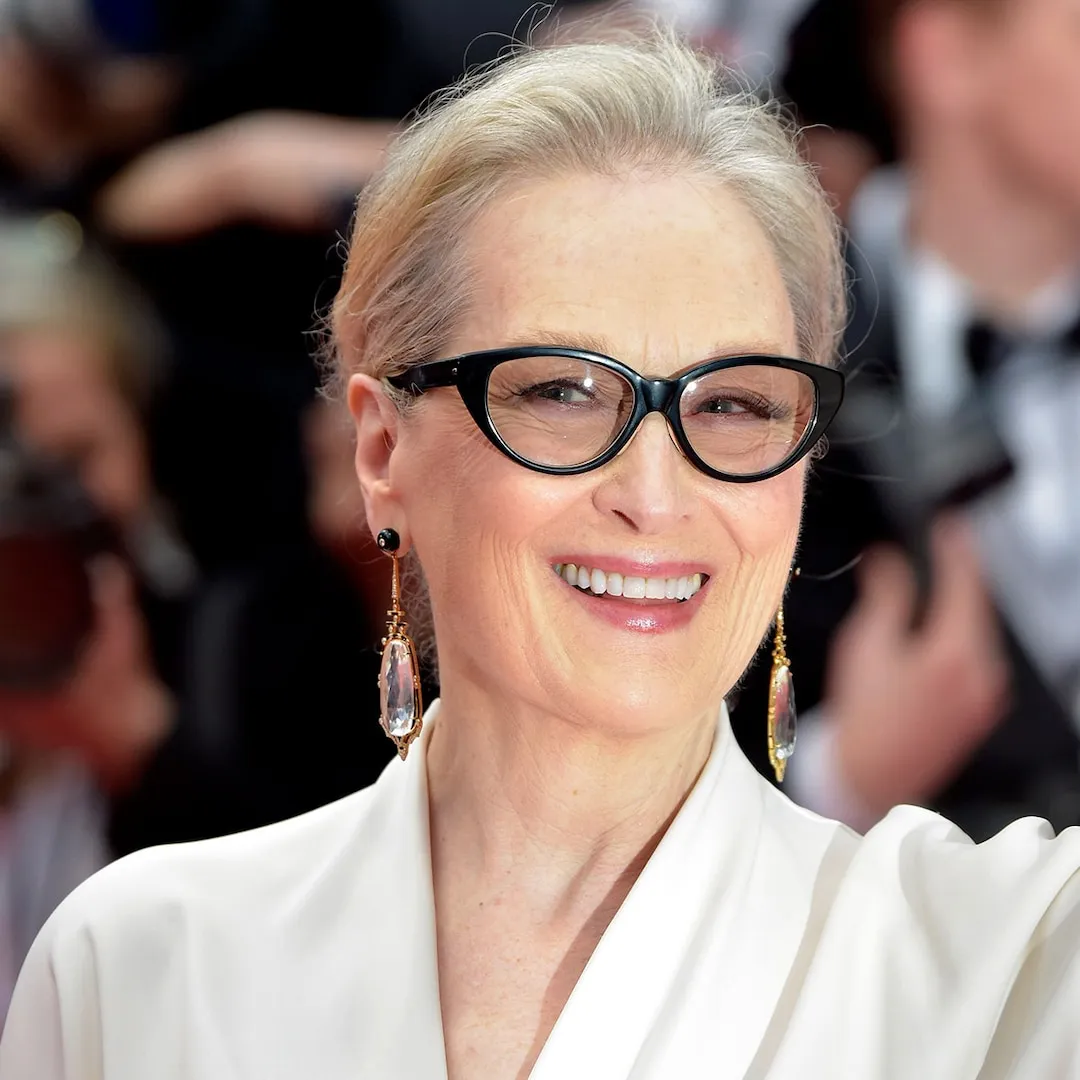 Photo: Meryl Streep, via akns-images.eonline.com
Streep has spoken often about the difference between stage and screen acting: on stage, you project; on screen, you reveal. She understood that distinction early and adjusted accordingly, without ever losing the structural discipline her theatrical training gave her.
The lesson: Technical mastery isn't medium-specific. Build it deep enough, and it travels with you.
2. Ian McKellen — The Stage Giant Who Found a Whole New Audience
For decades, Ian McKellen was one of the most celebrated stage actors in the English-speaking world — a Shakespearean titan, a West End institution. Then Peter Jackson cast him as Gandalf, and suddenly he was beloved by a generation that had never seen a live performance in their lives.
What's remarkable about McKellen's screen work isn't that he scaled down from the stage (a common piece of advice that oversimplifies everything). It's that he brought the authority of the stage — the weight of a performer who knows how to hold a space — and let the camera find it rather than pushing it outward.
The lesson: Your theatrical presence isn't something to suppress on camera. It's something to channel.
3. Viola Davis — Bridging the Emotional Gap
Viola Davis built one of the most respected careers in American theater before How to Get Away with Murder and Fences made her a household name. But what's instructive about her journey is how she talks about the emotional difference between the two forms.
Stage acting, she's noted, requires you to build and sustain an emotional arc across ninety minutes or more, night after night. Film acting asks you to find the peak of that arc on demand, often out of sequence, sometimes in a single close-up. Davis didn't just adapt — she developed a kind of emotional precision that lets her locate the exact interior moment a scene requires, regardless of whether she's playing to the back row or the lens.
The lesson: Emotional truth is the constant. The delivery mechanism is what changes.
4. Cate Blanchett — The Performer Who Refuses to Separate the Two
Cate Blanchett is unusual in this list because she hasn't really made a transition — she's maintained a fully active stage career alongside one of the most decorated film resumes of her generation. She's co-directed the Sydney Theatre Company, performed in productions that toured internationally, and continued taking stage roles between major film projects.
 Photo: Sydney Theatre Company, via s3-ap-southeast-2.amazonaws.com
Blanchett has been vocal about the fact that her stage work feeds her screen work and vice versa. The sustained concentration of live performance keeps her instrument sharp. The close-up intimacy of film keeps her honest about what she's actually doing versus what she thinks she's doing.
The lesson: You don't have to choose. In fact, you probably shouldn't.
5. Bryan Cranston — The Long Game Pays Off
Bryan Cranston spent years working in regional theater before landing television work, and years in television (including a long run on Malcolm in the Middle) before Breaking Bad redefined his entire public identity. But what's often missed in the narrative of his "overnight success" is how the stage shaped him.
Cranston has described theater as the place where he learned to commit — to make bold choices and follow them all the way through, because on stage there's no second take. That willingness to commit fully, without hedging, is precisely what made Walter White so unforgettable on screen.
The lesson: The stage teaches you to be brave. Bring that bravery to every medium.
6. Audra McDonald — Redefining What a Career Can Look Like
With six Tony Awards — the most of any actor in Broadway history — Audra McDonald could have stayed comfortably in theater forever and been celebrated. Instead, she's built a substantial television career (Private Practice, The Good Fight) while never stepping back from the stage that made her.
What McDonald embodies is the idea that artistic identity doesn't have to be medium-specific. She's a singer, an actress, a performer in the fullest sense — and she brings the same commitment to a TV courtroom scene that she brings to a Sondheim ballad.
The lesson: Your artistry is bigger than any single format. Let it be.
7. Peter Dinklage — Character Work as the Great Equalizer
Before Game of Thrones turned him into a global star, Peter Dinklage was a working stage actor who'd done years of off-Broadway and regional theater. What that background gave him was an understanding of character architecture — how to build a person from the inside out, layer by layer.
Tyrion Lannister is, at his core, a theatrical character: big, witty, emotionally complex, capable of switching registers in a single line. Dinklage's stage background gave him the tools to make that character feel lived-in rather than performed.
The lesson: Great character work is great character work. The stage is where you learn to build it.
The Common Thread
Look across all seven of these careers and a pattern emerges. None of them treated the transition between stage and screen as a one-way door. None of them abandoned what the theater gave them in order to fit into a new medium. And all of them kept growing — kept treating their craft as something unfinished, worth returning to.
At Hochfellner, that's the kind of artistic life that genuinely excites us. Not the performer who found their lane and stayed in it, but the one who kept asking what else is possible — and then went and found out.