Second Chair, First Class: What Being an Understudy Actually Does to a Performer
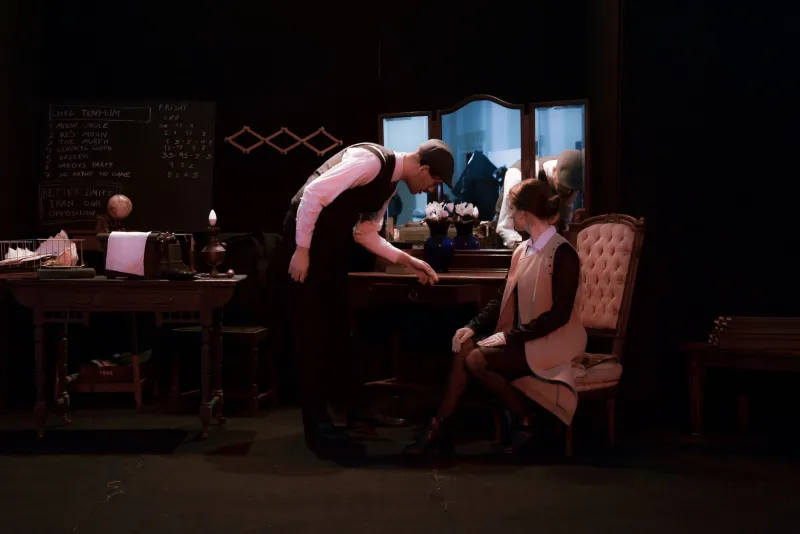
Here's a scenario nobody puts in the brochure: you've memorized every word, every blocking note, every emotional beat of a two-hour show. You've rehearsed the fight call, nailed the quick change, cried on cue during the Act Two breakdown — and then you sit in the wings on opening night while someone else takes the bow.
Welcome to understudy life.
In American theater, the understudy has long been treated as a consolation prize — the runner-up in a beauty pageant nobody asked to enter. But spend any time talking to working actors with real careers behind them, and a different story emerges. The experience of being second choice, it turns out, might be the most clarifying thing that ever happens to a performer.
The European Model Nobody's Talking About
In German-speaking theater — the kind of repertory system that's been quietly producing world-class performers for centuries — the ensemble model isn't a stepping stone. It's the whole point. At houses like the Burgtheater in Vienna or the Deutsches Theater in Berlin, a company actor might play the lead on Tuesday and carry a spear on Friday. Nobody blinks. Nobody considers it a demotion.
This rotation isn't just logistical. It's philosophical. The idea is that a performer who truly understands a production — who has inhabited it from every angle, watched it breathe from the outside, felt its weight from a supporting position — brings something irreplaceable to the stage when their moment finally arrives.
American theater has been slow to adopt this mindset, partly because our entertainment culture is so aggressively star-focused. We want to know who the lead is before we buy the ticket. But that obsession with the top of the call sheet has a cost, and working actors are starting to name it.
What the Waiting Teaches You
Talk to any actor who spent a significant chunk of their early career as an understudy or swing, and the word you'll hear most often isn't "frustrating." It's "clarifying."
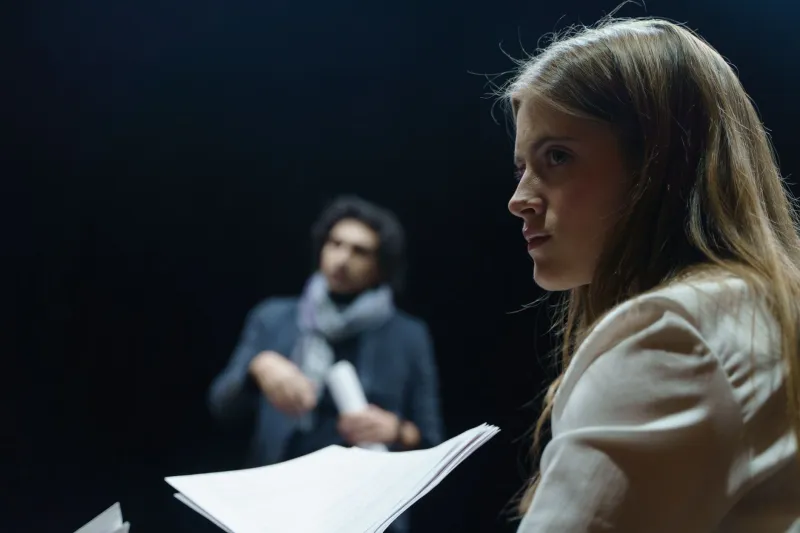
When you're not the one onstage, you watch differently. You study the mechanics of a scene from a distance — why a particular pause lands, what the lead is doing with their hands during the monologue, how the audience breathes during a quiet moment. You become, almost involuntarily, a student of craft in a way that principal actors rarely are.
There's also the pressure of readiness. An understudy isn't just learning a role — they're maintaining a state of perpetual preparedness that demands a specific kind of mental discipline. You can't let it go stale. You can't coast. Because the call could come on a Tuesday matinee with fifteen minutes' notice, and when it does, you don't get a warm-up.
That kind of readiness changes how a performer relates to their instrument. The stakes are always live, even when the situation is technically low-stakes.
Versatility as a Career Strategy
Here's the practical argument: in an industry as unpredictable as entertainment, the performers who last are rarely the ones who were groomed for a single lane. They're the ones who can pivot — who've played ingénues and character roles, leads and ensemble, drama and comedy — and who have the internal flexibility to shift without losing their center.
Understudying forces that flexibility on you whether you want it or not. You're not just learning one role; you're often covering two or three, which means holding multiple emotional worlds in your body simultaneously. That's not a burden. That's advanced training.
The European repertory tradition understood this intuitively. An actor who spends five seasons in a rotating company doesn't just accumulate credits — they accumulate range. They learn to read a room, adjust to different scene partners, find the truth of a scene under conditions they didn't control. Those are the skills that make a 40-year career possible.
The Humility Factor
There's something else that understudy experience does, and it's harder to quantify: it keeps you honest.
When you've sat in the wings long enough, you stop performing for your ego and start performing for the work. You understand that the show doesn't belong to you — it belongs to the audience, the story, the whole company. That shift in ownership is profound, and it shows up onstage in ways that are difficult to fake.
Some of the most compelling performers working in American theater and film today came up through ensemble roles and understudy tracks. They carry a certain groundedness — a lack of vanity in their choices — that reads as authenticity to audiences even when they can't quite name what they're responding to.
The European influence on American training programs has been slowly pushing this idea forward. More conservatories are building ensemble-based coursework into their curricula. More directors are seeking out actors who've spent time in the company model rather than those who went straight from drama school to leading roles.
What It Means for the Industry
If American theater and film are serious about building a more resilient, more versatile generation of performers, the understudy track deserves a serious rebranding. Not as the consolation prize, but as the crucible.
The performers who've been through it will tell you: there's no faster education in craft than knowing you might go on tonight, without warning, in front of a full house, in a role you've never performed in front of an audience before. That's not a liability. That's a graduate seminar.
The best careers aren't built in spotlights. They're built in the patient, watchful dark of the wings — where you learn everything about a show except how the applause feels. And when you finally get that, it means something different than it ever could have otherwise.